


Calf leather
To produce vegetable-tanned calf leather, the tannery uses natural tannins from plants, thus avoiding strong and harmful chemicals. The tanning process begins with carefully selected hides, which are then soaked in a mixture of water and vegetable tannins for weeks. This gentle process enhances the leather's unique expression and ensures an authentic result that preserves the hide's visible marks and character. Palmgrens' products are sewn from genuine calf leather without hard finishes or coatings, sourced from selected tanneries in Europe. These leathers are natural materials that age and develop a patina over time, when paired with regular care.
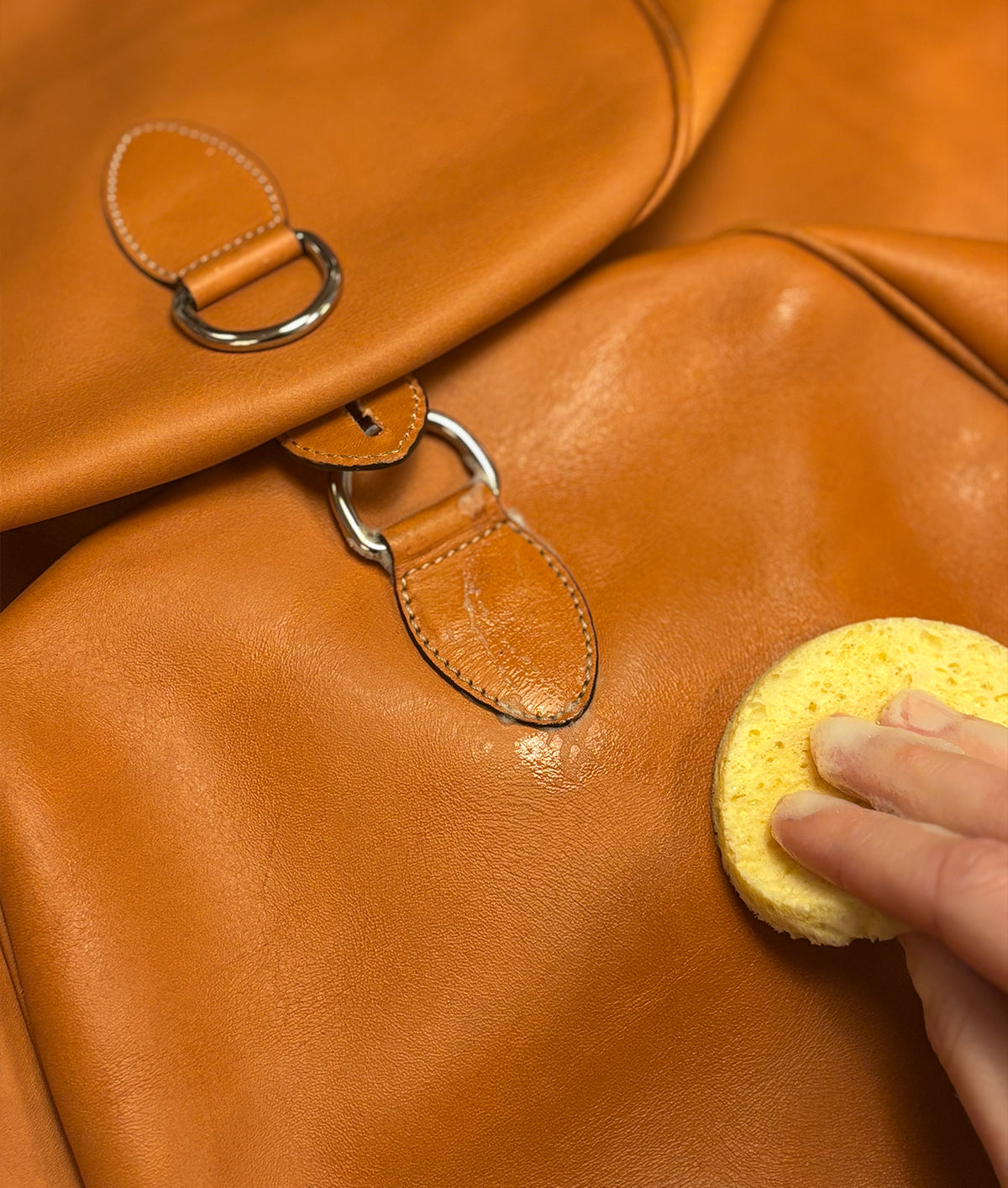
How do you care for leather?
Regular care is crucial to preserve the leather's lifespan and maintain its unique qualities. We recommend keeping your product away from prolonged exposure to moisture, direct sunlight, and heat to prevent dryness, stains, and fading. To clean the leather, we recommend using a mild leather soap and finishing with a layer of colorless leather conditioner. Regular conditioning nourishes the leather, ensures its natural flexibility, and helps the surface develop a beautiful patina.

How do you care for rattan?
To clean the rattan, we recommend using a soft brush. This can then be followed up by moisturizing, in the form of a soft cloth dampened with water or linseed oil applied with a small soft brush. This is to hydrate the rattan and maintain the natural flexibility of the fibers. We recommend storing sharp objects such as keys in a protective case, to avoid friction and stress.

A complete routine
In Act of Caring's nourishing kit, plant-based ingredients work to both clean and moisturize the leather. The kit offers gentle cleaning, based on a saponification of coconut, and a moisturizing leather balm, scented with sandalwood and patchouli, for an olfactory reward after the nourishing act.